

Switching or Changing Primary Care Doctors: A Complete Guide to Making the Transition Smooth
Switching primary care doctors can feel daunting—especially when you’ve been with the same provider for years. But whether you’re moving to a new city, dealing with insurance changes, or simply realizing your current doctor isn’t the right fit anymore, changing your PCP is more common than you think. And when done right, it can actually improve your health outcomes.
In this guide, we’ll walk you through when it makes sense to switch primary care doctors, how to transfer your medical records, what to consider when selecting a new provider, and how to choose the right primary care doctor for your needs.
Why Do People Switch Primary Care Doctors?
There’s no single reason people decide to change their PCP. In fact, most people will switch doctors multiple times during their lifetime. Here are the most common reasons:
You’ve Moved to a New Area
Relocation is the number one reason patients switch primary care doctors. If your old PCP is now an hour away, it’s not practical—or safe—to keep them as your primary provider. In an urgent situation, you need someone nearby who knows your health history and can see you quickly.
Your Insurance Changed
Insurance changes happen more often than most people expect—whether it’s a new plan through your employer, switching during open enrollment, or aging into Medicare. When your current doctor is no longer in-network, staying with them means significantly higher out-of-pocket costs. In most cases, it makes financial sense to find a new PCP who accepts your updated plan.
The Relationship Isn’t Working
Not every doctor-patient relationship is a good fit, and that’s okay. Maybe you feel rushed during visits. Maybe your doctor dismisses your concerns or doesn’t explain things clearly. Maybe the office staff is consistently difficult to deal with. Whatever the reason, you deserve a provider who listens, communicates well, and makes you feel respected.
Long Wait Times or Scheduling Issues
If you’re waiting weeks to get an appointment—or spending an hour in the waiting room every visit—that’s a legitimate reason to look elsewhere. Access to timely care is a fundamental part of good primary care.
Your Health Needs Have Changed
As you age or develop new health conditions, you may need a provider with different expertise. For example, someone managing multiple chronic conditions might benefit from switching from a family medicine doctor to an internist who specializes in complex adult care. Or a patient dealing with anxiety and depression might want a PCP who’s more experienced in mental health management.
Your Doctor Retired or Left the Practice
Sometimes the decision isn’t yours at all. Doctors retire, relocate, or join new practice groups. When this happens, the practice may assign you to another provider automatically—but you’re under no obligation to stay. This is a great opportunity to evaluate your options and choose someone who’s the best fit.
Signs It Might Be Time to Switch Your PCP

Not sure if you should make the change? Here are some clear signals that it’s time to start looking:
- You dread going to appointments — healthcare should feel supportive, not stressful
- Your doctor doesn’t take your concerns seriously — feeling dismissed or unheard is a dealbreaker
- Communication is poor — you leave appointments confused about your diagnosis, treatment plan, or next steps
- You can’t get timely appointments — if routine visits require a 4-6 week wait, that’s a red flag
- The office is disorganized — frequent billing errors, lost paperwork, or unreturned phone calls
- Your doctor isn’t up to date — medicine evolves, and your PCP should stay current with guidelines and treatment options
- You’ve had a major life change — new diagnosis, pregnancy, relocation, or retirement that requires different care
If two or more of these resonate, it’s probably time to explore your options.
How to Switch Primary Care Doctors: Step-by-Step
Changing doctors doesn’t have to be complicated. Here’s a clear, actionable roadmap to make the transition as smooth as possible.
Step 1: Find Your New PCP Before Leaving the Old One
This is the most important step. Don’t leave your current doctor until you’ve identified and ideally booked with a new one. Having a gap in primary care means you won’t have anyone to call if something comes up, refill prescriptions, or manage ongoing conditions.
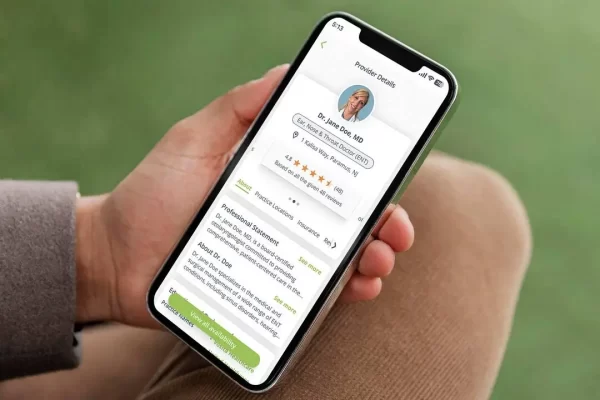
Use an online platform like Vosita to search for providers by location, insurance, specialty, and patient reviews. You can compare multiple doctors side-by-side and book an appointment instantly—no phone calls or hold times required.
Step 2: Verify Insurance Coverage
Before you get attached to a new doctor, confirm they accept your insurance plan. You can do this by:
- Checking your insurance company’s provider directory online
- Calling the doctor’s office directly to verify
- Using an insurance filter to only see providers who accept your plan
This one step can save you from unexpected bills down the road.
Step 3: Request Your Medical Records
Your medical records belong to you—and you have the legal right to transfer them. Under HIPAA (the Health Insurance Portability and Accountability Act), your current provider must release your records upon request, typically within 30 days.
Here’s how to do it:
- Contact your current doctor’s office and ask for their Medical Records Release Form. Some offices have this available on their patient portal or website.
- Fill out the form completely — include your full name, date of birth, the new doctor’s name and address, and specify which records you want transferred (or request your complete file).
- Sign the authorization — your provider cannot release records without your written consent.
- Ask about fees — providers can charge a reasonable, cost-based fee for copying and mailing records. They cannot charge for the time spent locating them.
- Follow up — don’t assume it happened. Call both offices to confirm the records were sent and received.
Pro tip: If both your old and new doctors use the same electronic health records (EHR) system—like Epic’s MyChart—the transfer may happen automatically or with minimal effort. Ask both offices if they participate in a health information exchange.
Step 4: Prepare for Your First Appointment
Your new PCP will want to get a complete picture of your health. To make that first visit productive, bring:
- Your insurance card and photo ID
- A complete medication list — including prescriptions, over-the-counter medications, and supplements, with dosages and frequency
- Your medical history summary — major diagnoses, surgeries, hospitalizations, and family health history
- Recent lab results or imaging — if you have copies, bring them even if records were transferred
- A list of questions or concerns — this is your chance to set the tone for the relationship
Step 5: Notify Your Old Doctor’s Office
While you’re not legally required to tell your old doctor you’re leaving, it’s a professional courtesy that can help with the transition. A quick phone call or note is sufficient. Some things to handle before you go:
- Refill any prescriptions that are due soon — your new doctor may not refill medications until they’ve reviewed your records and seen you
- Complete any pending referrals or follow-ups — don’t let important care fall through the cracks
- Get copies of recent test results — especially anything your new PCP should know about immediately
Step 6: Update Your Insurance
If your insurance plan requires you to designate a primary care provider, make sure to update this information. You can usually do this through your insurance company’s website, mobile app, or by calling member services. This ensures referrals and claims are processed correctly.
How to Choose Your Next Primary Care Doctor

Now that you know how to make the switch, let’s talk about how to choose wisely. Finding the right PCP isn’t just about convenience—it’s about finding someone who will be your health partner for years to come.
Consider the Type of Provider You Need
Different types of primary care providers bring different strengths:
- Family medicine doctors — treat patients of all ages; ideal if you want one doctor for the whole family
- Internal medicine doctors (internists) — specialize in adult care; particularly strong with chronic disease management
- Nurse practitioners (NPs) and physician assistants (PAs) — provide excellent primary care, often with longer appointment times and strong patient communication skills
- OB/GYNs — some women use their OB/GYN as their primary care provider, especially for integrated reproductive and general health care
Read Patient Reviews
Online reviews give you real insight into what it’s like to be a patient at a particular practice. Look for patterns—consistent praise for communication, thoroughness, and accessibility is a great sign. Consistent complaints about wait times, dismissive behavior, or billing issues are red flags.
You can read patient reviews on provider profiles through platforms like Vosita, Zocdoc, Healthgrades, WebMD, and even Google Maps to get a better sense of others’ experiences and what to expect.
Evaluate Practical Factors
Beyond credentials and reviews, think about the everyday logistics:
- Location — is the office easy to get to from home or work?
- Office hours — do they offer early morning, evening, or weekend appointments?
- Telehealth options — can you do virtual visits for simple concerns?
- Communication — do they have a patient portal for messaging, results, and appointment scheduling?
- Wait times — how quickly can you get a routine appointment? What about urgent same-day visits?
Trust Your Instincts After the First Visit
Your first appointment is essentially an interview—for both of you. Pay attention to how the doctor interacts with you. Do they listen without interrupting? Do they explain things in terms you understand? Do they ask about your health goals, not just your symptoms? If you leave feeling heard and respected, that’s a strong foundation for a lasting relationship.
How Vosita Makes Switching Doctors Easy
We know that switching primary care doctors can feel like a chore—but it doesn’t have to be. Vosita was built to simplify every step of finding and booking healthcare providers.
Here’s how Vosita helps:
- Search by insurance, location, and specialty — find only providers who accept your plan and are near you
- Compare providers side-by-side — review credentials, patient ratings, and availability all in one place
- Read verified patient reviews — get honest insights from real patients before you book
- Book instantly online — no phone calls, no hold music, no waiting for a callback
- Choose in-person or telehealth — pick the visit type that works for your schedule and needs
- Transparent and free for patients — no hidden fees or per-booking charges
Whether you’re switching because of a move, an insurance change, or simply because you want better care, Vosita makes it easy to find and book your next PCP in minutes.
What to Expect During Your First Visit With a New PCP
Walking into a new doctor’s office can feel a bit like the first day at a new school. Here’s what typically happens so you know what to expect:
Before the appointment, you’ll fill out new patient paperwork—either online through the patient portal or on paper when you arrive. This includes your medical history, current medications, insurance information, and consent forms.
During the appointment, your new PCP will likely spend more time with you than a typical follow-up visit. They’ll review your medical history, ask about your current health concerns, perform a physical exam, and discuss any preventive care you’re due for (screenings, vaccinations, etc.). This is also a great time to discuss your health goals and how you prefer to communicate.
After the appointment, you should have a clear plan for next steps—whether that’s lab work, referrals, prescription management, or simply scheduling your next annual visit.
Frequently Asked Questions About Switching Primary Care Doctors

Can I switch primary care doctors at any time?
Yes. You are never locked into a specific doctor. With most insurance plans, you can change your designated PCP at any time—though some HMO plans may only allow changes during certain periods or with advance notice. Check with your insurer for the specific rules on your plan.
Do I need to tell my old doctor I’m leaving?
You’re not required to, but it’s helpful. Notifying your old provider ensures a cleaner transition—they can finalize any pending referrals, provide a summary of your care, and process your records request more smoothly.
How long does it take to transfer medical records?
Under HIPAA, your provider has 30 days to process a records request. In practice, many offices complete transfers within one to two weeks—especially when records are electronic. If you need records urgently, let both offices know and follow up proactively.
Will I have to redo tests and screenings with my new doctor?
Not necessarily. If your records are transferred successfully, your new PCP will have access to your recent lab work, imaging, and screening results. They may want to order baseline labs of their own, but you generally won’t need to repeat recent tests.
What if I don’t like my new doctor after the first visit?
That’s okay—switch again. The first visit is a trial run. If the chemistry isn’t right, you’re under no obligation to go back. Keep exploring providers until you find the right match.
Can I keep seeing my old doctor for certain things while transitioning?
Yes, especially if you’re in the middle of treatment or waiting for a referral to be completed. There’s no rule that says you have to cut ties immediately. Just make sure your new PCP is aware of any ongoing care so nothing falls through the cracks.
How do I switch PCPs if I have an HMO plan?
HMO plans require you to choose a primary care provider, and you typically need to update your selection through your insurance company before seeing a new doctor. Log into your insurer’s website or call member services to make the change. Some plans process changes immediately, while others take effect at the start of the next month.
Your Health Deserves the Right Doctor
Switching primary care doctors isn’t a sign of disloyalty—it’s a sign that you take your health seriously. The right PCP can be the difference between reactive healthcare and proactive, personalized care that keeps you healthy for decades.
If you’re ready to make a change, don’t overthink it. Use Vosita to find, compare, and book your next primary care provider today. Search by insurance, location, and patient reviews—then book an appointment in minutes. No phone tag, no guesswork. Just better care, starting now.