

Healthcare costs are one of the biggest sources of stress for Americans—and one of the most common reasons people put off seeing a doctor. If you’ve ever wondered “how much is a primary care visit without insurance?” or whether it’s even worth going if you’re worried about the bill, you’re not alone.
The good news: primary care visits are one of the most affordable types of healthcare, and they’re also one of the smartest investments you can make in your long-term health. In this guide, we’ll break down what a primary care visit actually costs, what factors affect the price, how insurance changes the equation, and how seeing a PCP early can save you thousands down the road.
And when you’re ready to book, Vosita makes it easy to find, compare, and schedule your next primary care appointment—with full transparency on insurance acceptance and visit types.
How Much Does a Primary Care Visit Cost Without Insurance?
If you’re paying out of pocket, the cost of a primary care visit typically ranges from $100 to $300 for a standard office consultation. However, several factors can push that number higher or lower.
Here’s a general breakdown by visit type:
- Standard office visit (existing patient, single concern) — $100 to $200
- New patient visit (first-time, comprehensive evaluation) — $150 to $300
- Annual physical exam / wellness visit — $150 to $400 (may include basic lab work)
- Follow-up visit (chronic condition check-in) — $100 to $200
- Telehealth visit — $40 to $90
These ranges reflect the base cost of the visit itself. If your doctor orders additional services during the appointment—like blood work, urinalysis, an EKG, or other diagnostic tests—each of those comes with its own fee, potentially adding $50 to $200 or more to your total bill.
Why new patient visits cost more
New patient visits are almost always more expensive than follow-ups. That’s because your doctor is spending more time with you. They’re reviewing your complete medical history, performing a thorough physical exam, discussing your health concerns in detail, and establishing a baseline for future care. This initial investment of time gets coded at a higher level, which translates to a higher charge.
How Much Does a Primary Care Visit Cost With Insurance?
If you have health insurance, your out-of-pocket cost for a primary care visit depends on your specific plan. Here are the main cost components:
Copay
Most insurance plans charge a copay for primary care visits—a flat fee you pay at the time of service. Average copays for primary care range from $20 to $75 , depending on your plan. Plans with lower monthly premiums tend to have higher copays, and vice versa.
Deductible
Your deductible is the amount you must pay out of pocket before your insurance starts covering costs. If you haven’t met your deductible yet, you may pay the full negotiated rate for your visit (typically $100 to $300), which counts toward meeting that deductible.
Coinsurance
After you’ve met your deductible, many plans require coinsurance —a percentage of the cost you share with your insurer. For primary care, this is commonly an 80/20 split, meaning your insurance pays 80% and you pay 20%.
Preventive visits are often free
Here’s an important detail many people miss: under the Affordable Care Act, most insurance plans must cover annual preventive care visits at no cost to you —no copay, no deductible, no coinsurance. This includes your annual wellness exam, certain screenings, and vaccinations. If you’re only going in for your yearly checkup and your doctor codes it as a preventive visit, you may owe nothing.
However, if you bring up a specific health complaint during that preventive visit, your doctor may need to bill it as a diagnostic visit as well, which could trigger a copay or deductible charge. It’s worth asking your doctor’s office about this ahead of time.
What Factors Affect the Cost of a Primary Care Visit?

The price of a primary care visit isn’t one-size-fits-all. Several variables influence what you’ll actually pay:
Geographic location
Healthcare costs vary significantly by region. Visits in major metropolitan areas like New York, San Francisco, or Boston tend to cost 30-60% more than visits in smaller cities or rural areas. The most expensive state for basic office visits is Alaska, while states in the Midwest tend to be more affordable.
Type of visit
Not all appointments are created equal. A quick follow-up for a medication refill costs less than a comprehensive new patient evaluation. The more complex your visit—the more questions discussed, systems examined, or decisions made—the higher the billing code and the higher the charge.
Type of provider
Who you see also affects the price. Visits with MDs and DOs may be priced slightly higher than visits with nurse practitioners (NPs) or physician assistants (PAs) , though the quality of care for routine primary care concerns is comparable across provider types.
In-network vs. out-of-network
If you have insurance, seeing an in-network provider will almost always cost less than seeing someone out of network. Out-of-network providers haven’t negotiated rates with your insurer, so you may be responsible for a much larger portion of the bill—or even the entire amount.
Additional services
The base visit fee covers the doctor’s evaluation and management of your concern. But anything extra—lab tests, imaging, procedures, or referrals—adds to the total. Always ask what’s included before your appointment so you’re not surprised by the bill.
Telehealth vs. In-Office Visits: Which Is Cheaper?

Telehealth has become an increasingly popular option for primary care, and it often comes with a lower price tag.
Average telehealth visit cost: $40 to $90 out of pocket (without insurance)
Average in-person visit cost: $100 to $300 out of pocket (without insurance)
A recent study from Penn Medicine found that telemedicine visits were associated with lower charges and fewer subsequent visits compared to in-person care across multiple common conditions. The researchers noted that for many patients, telehealth served as a complete solution rather than just a temporary stop before an in-person visit.
Beyond the sticker price, telehealth saves you money in indirect ways: no gas or parking costs, no time off work for travel, and no childcare expenses. For straightforward concerns—medication refills, follow-up on lab results, mental health check-ins, minor acute issues—a virtual visit can be just as effective and significantly cheaper.
That said, some things do require an in-person visit. If your doctor needs to perform a physical exam, take vitals, do a blood draw, or evaluate something hands-on, you’ll need to go to the office.
On Vosita , you can filter for providers who offer telehealth visits and book either virtual or in-person appointments based on your needs.
New Patient vs. Follow-Up Visits: Understanding the Price Difference

This distinction matters more than most people realize, because it directly affects your bill.
New patient visits
When you see a doctor for the first time, or if you haven’t been seen at that practice in three or more years, you’re typically classified as a new patient. These visits are longer and more thorough, covering a complete health history, comprehensive physical exam, and an in-depth discussion of your health concerns and goals.
Typical cost without insurance: $150 to $300+
Follow-up / established patient visits
Once you’re an established patient, your follow-up visits are shorter and more focused. You’re checking in on a known condition, reviewing test results, or addressing a new but straightforward concern.
Typical cost without insurance: $100 to $200
Why this matters for your wallet
Establishing care with a PCP and maintaining a regular relationship with them means most of your visits will be billed at the lower, established-patient rate. This is one of the financial benefits of having a primary care doctor you see consistently rather than visiting a new provider every time you need care.
How to Save Money on Primary Care Visits

Healthcare doesn’t have to break the bank. Here are practical strategies to keep your primary care costs manageable:
Ask about self-pay or cash-pay discounts
Many practices offer a discounted rate for patients who pay out of pocket at the time of service. This rate is often lower than the insurer-negotiated rate because the practice avoids the administrative cost of billing insurance. Always ask.
Use your preventive care benefits
If you have insurance, take full advantage of free annual wellness visits . These are covered at no cost under most plans and are the best way to catch health issues early without paying a dime.
Choose telehealth when appropriate
For concerns that don’t require a physical exam—medication questions, follow-ups, mental health check-ins—a telehealth visit can save you 50% or more compared to an in-person appointment.
Stay in-network
Before booking, verify that your provider is in-network with your insurance plan. The cost difference between in-network and out-of-network care can be enormous—sometimes hundreds of dollars for the same visit.
Look into community health centers
Federally Qualified Health Centers (FQHCs) offer primary care on a sliding-fee scale based on your income. If you’re uninsured or underinsured, these clinics can provide affordable care regardless of your ability to pay.
Don’t skip your PCP to “save money”
This is the biggest cost mistake people make. Skipping primary care might save you $150 today, but it can cost you thousands later when a manageable condition becomes an emergency. An average ER visit costs over $2,700 without insurance —more than ten times the cost of a primary care visit for the same issue.
Why Seeing a PCP Early Saves You Money Long-Term

This is the part most people don’t think about until it’s too late.
Primary care is fundamentally about prevention and early intervention —and both of those save money. Here’s how:
Catching conditions early
A routine blood test during an annual physical might reveal high blood sugar or elevated cholesterol. Catching these early means managing them with lifestyle changes and affordable medications—not with an emergency hospitalization for a heart attack or diabetic crisis.
Avoiding unnecessary ER visits
People without a PCP are far more likely to use the emergency room for non-emergency issues. An ER visit for a UTI, sinus infection, or back pain can cost $1,000 to $3,000+ without insurance. The same issue addressed by your PCP might cost $100 to $200.
Managing chronic conditions proactively
Conditions like high blood pressure, diabetes, and asthma are manageable with regular PCP visits. Left unmanaged, they lead to complications that are dramatically more expensive: hospitalizations, surgeries, specialist care, and lost income from missed work.
Reducing specialist and imaging costs
Your PCP often resolves issues that patients assume require a specialist. They can treat many skin conditions, mental health concerns, musculoskeletal problems, and more—saving you the higher cost of a specialist visit and the time spent waiting for one.
The math is simple: a few hundred dollars a year in primary care visits can prevent tens of thousands in emergency, hospital, and specialist costs over time.
How Vosita Helps You Find Affordable Primary Care
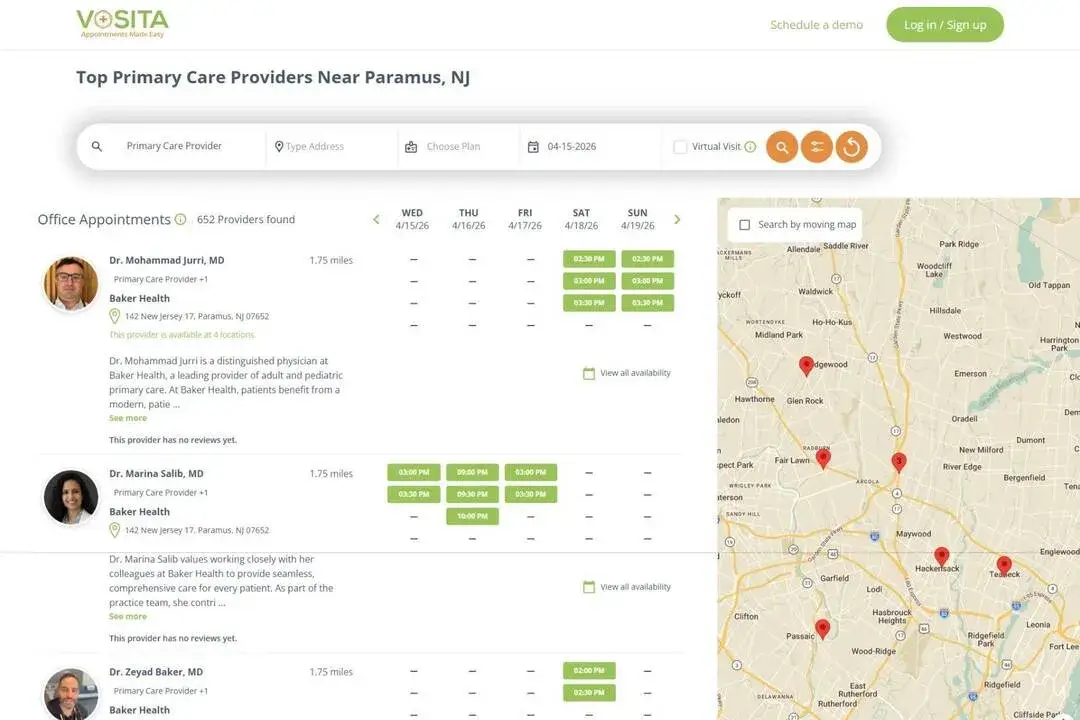
Finding a PCP who accepts your insurance, fits your budget, and meets your needs shouldn’t require hours of phone calls and guesswork. Vosita simplifies the entire process:
- Filter by insurance — see only providers who accept your plan so there are no billing surprises
- Compare providers — review credentials, patient ratings, and availability side-by-side
- Choose your visit type — book in-person or telehealth based on what you need and what fits your budget
- Read verified reviews — see what real patients say about their experience
- Book instantly — no phone calls, no hold music, no callbacks
- Free for patients — no hidden fees or per-booking charges
Whether you’re insured, self-pay, or just starting to look for a doctor, Vosita helps you find and book the right PCP in minutes .
Frequently Asked Questions About Primary Care Visit Costs
How much is a primary care visit without insurance?
Without insurance, a standard primary care visit typically costs between $100 and $300, depending on whether you’re a new or established patient, your geographic location, and the complexity of your visit. Telehealth visits tend to be cheaper, ranging from $40 to $90.
Are annual physicals free with insurance?
Under most insurance plans, annual preventive care visits are covered at no cost to you—no copay, no deductible. However, if additional health concerns are addressed during the visit, your doctor may bill for a separate diagnostic visit, which could trigger a copay.
Is telehealth cheaper than an in-person visit?
Generally, yes. Telehealth visits typically cost $40 to $90 without insurance, compared to $100 to $300 for in-person visits. You also save on transportation, parking, and time off work.
Why do new patient visits cost more?
New patient visits involve a more comprehensive evaluation—full medical history, thorough physical exam, and detailed discussion of your health—which takes more time and is billed at a higher rate than a routine follow-up.
Can I negotiate the cost of a doctor’s visit?
Yes. Many practices offer self-pay or cash-pay discounts, and some are willing to set up payment plans. It never hurts to ask about pricing before your appointment. Community health centers also offer sliding-scale fees based on income.
Is it cheaper to go to urgent care or my PCP?
For non-emergency issues, your PCP is usually the better financial choice—especially if you’re an established patient and paying the lower follow-up rate. Urgent care can be comparable in price, but the ER is significantly more expensive for the same types of concerns.
How can I find out if a doctor accepts my insurance before I go?
Use a platform like Vosita to filter providers by your specific insurance plan. You can also call the doctor’s office directly or check your insurer’s online provider directory.
Don’t Let Cost Keep You From Getting Care
Understanding what a primary care visit costs—and how to reduce that cost—puts you in control of your healthcare spending. The single most important thing you can do for both your health and your wallet is to establish a relationship with a PCP and see them regularly.
Ready to find the right doctor at the right price? Use Vosita to search, compare, and book your next primary care provider today. Filter by insurance, choose telehealth or in-person, read patient reviews—and book in minutes. No surprises, no guesswork. Just better, more affordable care.
This article is for informational purposes only and does not constitute financial or medical advice. Healthcare costs vary by location, provider, and insurance plan. Always verify pricing with your provider and insurance company before your visit.