

Signs You Need to See a Dentist (Don’t Ignore These Symptoms) – 2026 Guide
Your mouth is sending you signals. Are you listening?
Most people wait too long to see a dentist. They ignore warning signs, hope problems go away on their own, and then end up paying thousands for emergency treatment that could have been prevented with a simple visit.
This guide shows you exactly what symptoms mean you need to see a dentist—and which ones mean you need to see one TODAY.
Quick Symptom Checker: When to See a Dentist
URGENT – See a Dentist TODAY:
- Severe toothache pain
- Facial swelling or jaw swelling
- Pus or abscess in your mouth
- Difficulty swallowing
- Fever + tooth pain (possible infection)
- Lost or chipped tooth
- Severe bleeding that won’t stop
 SOON – Schedule Within Days:
- Persistent tooth pain (2+ weeks)
- Swollen or bleeding gums
- Mouth sores that won’t heal
- Visible decay or dark spots
- Receding gums
- Persistent bad breath
- Sensitivity to hot/cold (recent onset)
ROUTINE – Schedule Within Weeks:
- Rough or worn tooth surface
- Slight sensitivity to temperature
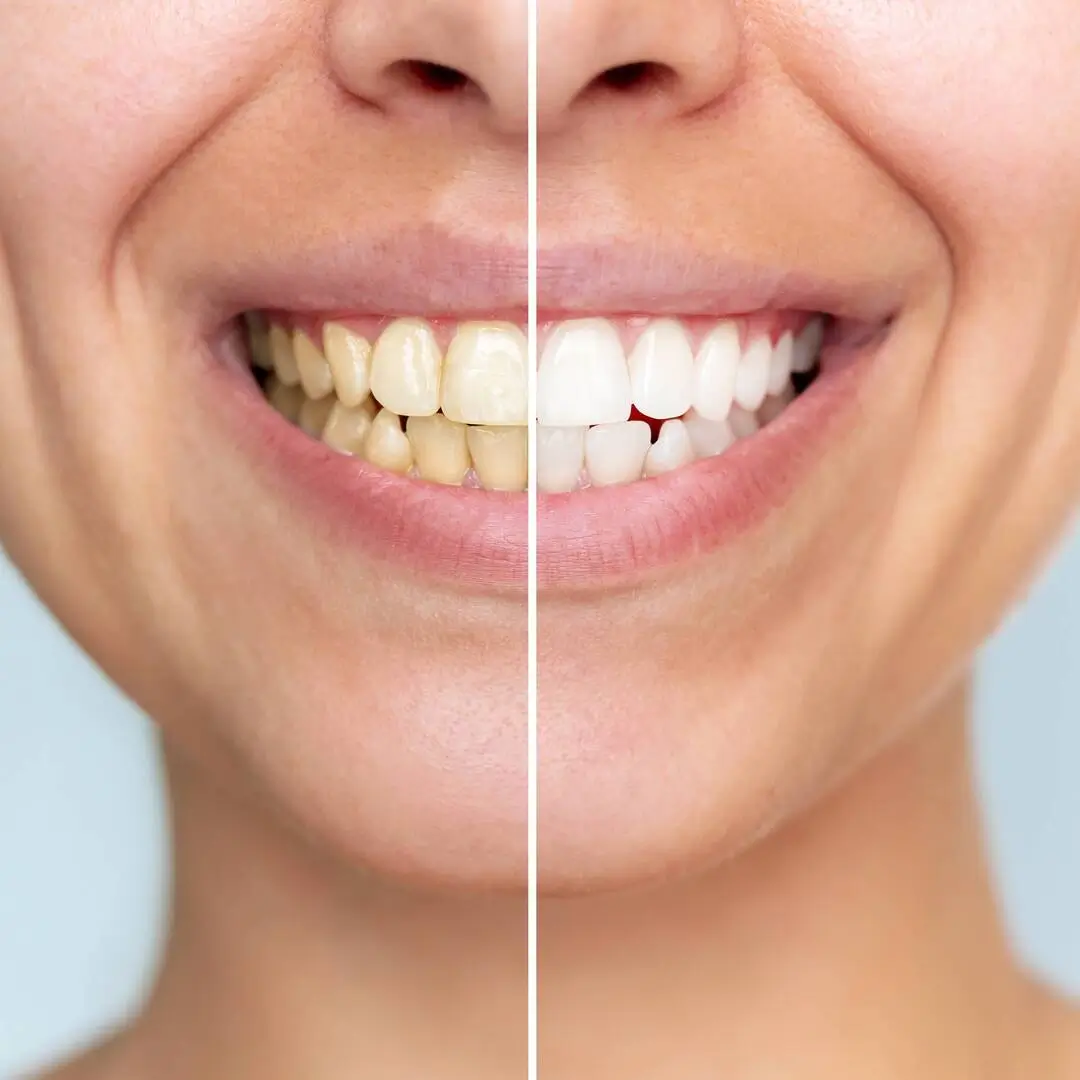
- Teeth looking dull or yellowed
- It’s been 6 months since your last cleaning
- Slight gum inflammation
The 7 Most Common Signs You Need to See a Dentist
1. Toothache Pain (The #1 Warning Sign)
 What it feels like:
- Sharp, throbbing pain in one tooth
- Dull, constant ache
- Pain when biting down
- Pain triggered by hot, cold, or sweet foods
- Pain that comes and goes or is constant
What it means: Toothache pain is your mouth’s distress signal. Common causes include:
- Cavity/decay – Hole in tooth structure allowing bacteria to reach nerve
- Abscess – Bacterial infection in the tooth root
- Cracked tooth – Fracture exposing inner layers
- Gum recession – Exposed tooth root (sensitive)
- Failed filling/crown – Inadequate seal allowing decay
- Bruxism – Teeth grinding causing wear and sensitivity
Why you shouldn’t ignore it: Toothaches don’t go away on their own. They get worse. What starts as a cavity becomes an abscess becomes an emergency root canal becomes a $2,000-$5,000 bill instead of a $200 filling.
Urgency: If pain is severe or constant, see a dentist within 24 hours. If moderate pain persists 2+ weeks, schedule an appointment.
What to do in the meantime:
- Ibuprofen (400-600mg every 4-6 hours) often helps more than acetaminophen for dental pain
- Saltwater rinses (1/2 tsp salt in warm water, rinse gently)
- Avoid very hot/cold foods
- Don’t chew on the painful side
- Topical numbing gel (benzocaine) provides temporary relief
2. Swollen or Bleeding Gums (Sign of Gum Disease)
 What it looks like:
- Gums appear puffy or enlarged
- Gums bleed when brushing or flossing
- Gums bleed spontaneously (when eating, drinking)
- Red, inflamed appearance (healthy gums are pink)
- Gums pull away from teeth (receding)
- Persistent bad taste or odor
What it means: Bleeding gums are a sign of gum disease (gingivitis or periodontitis). Bacteria irritate and inflame your gum tissue.
Why it matters: Gum disease progresses:
- Stage 1 (Gingivitis): Inflammation and bleeding, reversible with professional cleaning
- Stage 2 (Early Periodontitis): Bone loss begins, more difficult to treat
- Stage 3 (Advanced Periodontitis): Significant bone loss, teeth become loose, extraction likely
Untreated gum disease also increases risk of heart disease and stroke (bacteria from gums enter bloodstream).
Urgency: Bleeding gums + pain or severe swelling = see dentist within days. Bleeding without pain = schedule appointment within 1-2 weeks.
What to do in the meantime:
- Gentle brushing (don’t make it worse by scrubbing hard)
- Saltwater rinses twice daily
- Floss gently (don’t make bleeding worse)
- Avoid tobacco
- Reduce stress (stress worsens gum inflammation)
- Antimicrobial mouthwash may help
3. Persistent Bad Breath (Sign of Infection or Decay)
 What it is:
- Chronic bad breath despite brushing
- “Morning breath” that doesn’t improve after brushing
- Metallic taste in mouth
- People keep their distance when talking to you
- Breath smells like rotten eggs or decay
What it means: Occasional bad breath is normal. Persistent bad breath signals:
- Gum disease – Bacteria producing sulfur compounds
- Cavities/decay – Bacteria breakdown producing odor
- Oral infection – Abscess or infected tooth root
- Dry mouth – Reduced saliva allows bacteria to thrive
- Poor oral hygiene – Bacteria accumulation
- Mouth sores – Infected tissue
Why you shouldn’t ignore it: Bad breath is almost always a sign of something that needs treatment. It won’t go away by brushing more (unless it’s just food-related, like garlic).
Urgency: Persistent bad breath + other symptoms (pain, bleeding, swelling) = urgent. Bad breath alone = schedule within 2 weeks.
What to do in the meantime:
- Brush twice daily (2 minutes each time)
- Floss daily
- Clean tongue with tongue scraper
- Stay hydrated (dry mouth causes odor)
- Antimicrobial mouthwash may help identify if it’s oral bacteria
4. Visible Decay, Dark Spots, or Holes in Teeth
What it looks like:
- Dark or brown spots on tooth surface
- Visible holes or pits in teeth
- Discolored areas that feel rough
- White spots (early decay)
- Cavity you can see or feel with your tongue
What it means: Visible decay is cavities (tooth decay). Bacteria have eroded through your enamel and created a hole in the tooth structure.
Important: If you can SEE decay, it’s already significant. Early cavities are microscopic and invisible without X-rays.
Why you must see a dentist: Cavities don’t heal on their own. They get bigger, decay spreads, bacteria penetrate deeper into the tooth, eventually reaching the nerve (causing root canal).
Urgency: Visible decay = see dentist within 1-2 weeks. If decay is large or causing pain = urgent.
What to do in the meantime:
- Avoid very hot/cold foods near the cavity
- Don’t chew on the affected side
- Don’t poke or pick at the cavity (you’ll make it worse)
- Extra careful brushing around it
- Regular brushing and flossing elsewhere
5. Sudden Temperature Sensitivity (Tooth Sensitivity)
What it feels like:
- Sharp pain when drinking hot coffee or cold water
- Pain triggered specifically by temperature, not cavity-related
- Sensitivity to one tooth or multiple teeth
- Recent onset (wasn’t sensitive last month)
- Pain subsides when stimulus is removed
What it means: Acute sensitivity (sudden onset) usually indicates:
- Gum recession – Tooth root exposed (roots are sensitive)
- Worn enamel – Acidic foods, aggressive brushing, grinding
- Cavity – Decay near the nerve
- Cracked tooth – Crack exposing inner layer
- Failed filling – Seal compromised
- Recently whitened teeth – Temporary sensitivity is normal
Why it matters: Sensitivity that appears suddenly often indicates a problem that needs professional evaluation. It can worsen over time.
Urgency: Sudden temperature sensitivity = schedule within 1-2 weeks for diagnosis.
What to do in the meantime:
- Sensitivity toothpaste (contains potassium nitrate, numbs nerve)
- Softer toothbrush (avoid aggressive scrubbing)
- Avoid acidic foods/drinks (citrus, soda, wine)
- Fluoride mouthwash (strengthens enamel)
- Don’t grind teeth (wear mouthguard if you do)
6. Mouth Sores That Won’t Heal (Possible Oral Cancer Sign)
What it looks like:
- Ulcers in mouth that persist 2+ weeks
- Red or white patches on gums, tongue, or inside cheeks
- Lumps or bumps inside mouth
- Sores that bleed or don’t heal
- Persistent pain in one area
- Difficulty swallowing or speaking
What it means: Most mouth sores are benign (canker sores, cold sores). But persistent sores that don’t heal in 2 weeks can indicate:
- Oral cancer – Abnormal cell growth
- Infection – Fungal or bacterial (thrush, herpes)
- Trauma – Sharp food, aggressive flossing, ill-fitting dentures
CRITICAL: Oral cancer is preventable, treatable, and beatable—BUT only if caught early. Most patients delay seeing dentist for months with a suspicious sore.
Urgency: Any mouth sore that persists 2+ weeks = see dentist within days. Do not delay.
Red flags for possible oral cancer:
- Sore doesn’t hurt (painless is sometimes worse than painful)
- Sore is hard or raised
- Associated with lumps in neck
- Difficulty swallowing
- Voice changes
- Recent tobacco or heavy alcohol use
7. Loose, Shifting, or Moving Teeth (Sign of Bone Loss)
 What it feels like:
- Tooth moves when you touch it with your tongue
- Tooth feels slightly loose compared to yesterday/last week
- Teeth shifting position (bite feels different)
- Space appearing between teeth
- Teeth looking longer (gum recession)
What it means: Loose teeth indicate:
- Advanced gum disease – Bone supporting teeth is deteriorating
- Teeth grinding – Excessive force causing mobility
- Osteoporosis – Reduced bone density
- Trauma – Blow to mouth, accident
- Clenching habit – Stress causing excessive pressure
Why it’s urgent: Loose teeth don’t tighten up on their own. If it’s gum disease, progression can lead to tooth loss within months if untreated.
Urgency: Any loose tooth = see dentist within days.
What to do in the meantime:
- Don’t wiggle it (this makes it worse)
- Eat soft foods
- Avoid using that tooth for chewing
- Practice stress management (if grinding/clenching)
- Anti-inflammatory medication if it’s causing pain
Symptom Severity Guide: When Is It URGENT?
EMERGENCY – Go to Dentist or ER TODAY:
🔴 Severe facial swelling (especially if it affects breathing/swallowing)
- Indicates serious infection that could spread
🔴 Fever + tooth pain
- Sign of systemic infection (infection has entered bloodstream)
🔴 Pus or abscess visible
- Active infection needs immediate drainage/treatment
🔴 Severe bleeding that won’t stop (after 30 minutes of pressure)
- Could indicate bleeding disorder or serious trauma
🔴 Difficulty swallowing or speaking
- Swelling or infection affecting airway/throat
🔴 Severe trauma (knocked-out tooth, broken jaw, extensive injury)
- Time-sensitive for tooth salvage and fracture treatment
URGENT – See Dentist Within 24-48 Hours:
🟠 Severe toothache pain (debilitating, can’t function)
- Often indicates abscess or nerve involvement
🟠 Moderate swelling (face, jaw, or gums)
- With associated pain
🟠 Lost or chipped tooth
- Especially if sharp fragments remain or nerve is exposed
🟠 Mouth sore with severe pain
- Especially if difficulty swallowing
SOON – Schedule Within 3-7 Days:
🟡 Persistent toothache (2+ weeks, moderate pain)
- Needs professional evaluation and treatment
🟡 Bleeding gums (more than just occasional spots)
- Indicates gum disease requiring treatment
🟡 Mouth sore lasting 2+ weeks (painless or slow-healing)
- Needs professional evaluation for oral cancer screening
🟡 Visible decay or cavity
- Needs professional filling before it worsens
ROUTINE – Schedule Within 2-4 Weeks:
🟢 Recent temperature sensitivity (new onset, moderate)
- Professional evaluation needed but not emergency
🟢 Mild gum inflammation (not bleeding, slight redness)
- Professional cleaning may help
🟢 Rough/worn tooth surface
- Professional assessment needed
🟢 It’s been 6 months (or more) since last visit
- Routine cleaning and checkup
Why You Should NEVER Ignore Dental Warning Signs
Cost Impact:
- Small cavity caught early: $150-$300 (filling)
- Small cavity ignored: $1,200-$2,000 (root canal + crown)
- Gum disease caught early: $500-$1,500 (scaling, root planing)
- Gum disease ignored: $3,000-$15,000 (bone grafts, implants, extractions)
Your Health:
- Oral infections can spread to jaw, sinuses, brain (rare but serious)
- Gum disease increases heart attack risk by 2-3x
- Untreated infections affect your immune system
- Tooth loss affects nutrition, speech, appearance, confidence
Quality of Life:
- Untreated pain = can’t eat, sleep, concentrate
- Loose teeth → difficulty eating → nutrition problems
- Missing teeth → difficulty speaking
- Poor oral health → social anxiety and isolation
Bottom line: Every symptom you ignore costs you money, health, and quality of life. Early intervention prevents all of this.
Don’t Wait: Common Reasons People Delay Dental Visits (and Why You Shouldn’t)
“It might go away on its own” Dental problems never resolve without treatment. They get worse. Always.
“I’m too busy to schedule” Emergency dentistry takes longer and costs more. Prevention saves time.
“I’m scared of the dentist” Understand your fear. But untreated problems become true emergencies. One visit beats multiple emergency visits.
“It’s not that bad” That’s what most people say right before it becomes an emergency.
“I don’t have insurance” Many dentists offer payment plans (0% financing) or discounts for uninsured patients. Cost is negotiable, health emergencies are not.
“I had a bad experience before” Find a different dentist. Communication and bedside manner matter. Don’t let one bad experience prevent necessary care.
Finding a Dentist for These Concerns
If you’re experiencing any of these symptoms, you need a dentist who:
✓ Takes you seriously – Listens to your concern without dismissing it ✓ Explains clearly – Uses language you understand, not dental jargon ✓ Offers options – Gives treatment choices, not just one path ✓ Has real availability – Can see you within reasonable timeframe ✓ Transparent pricing – Clear about costs before treatment ✓ Emergency protocols – Can accommodate urgent cases ✓ Communicates – Calls back promptly, explains findings
Red flags when dentist searching:
- Won’t discuss costs
- Pressure to do expensive treatments immediately
- Poor bedside manner
- Can’t get appointment for 2-3 weeks despite urgent need
- Staff is dismissive of your symptoms
Using Vosita to Find the Right Dentist Fast
When you have a dental problem, time matters. You need a dentist who:
- Can see you soon – Not in 6 weeks
- Takes your insurance – Or offers clear payment options
- Has your trust – Verified reviews from real patients
- Won’t rush you – Listens to your concerns
- Is upfront about costs – No surprise bills
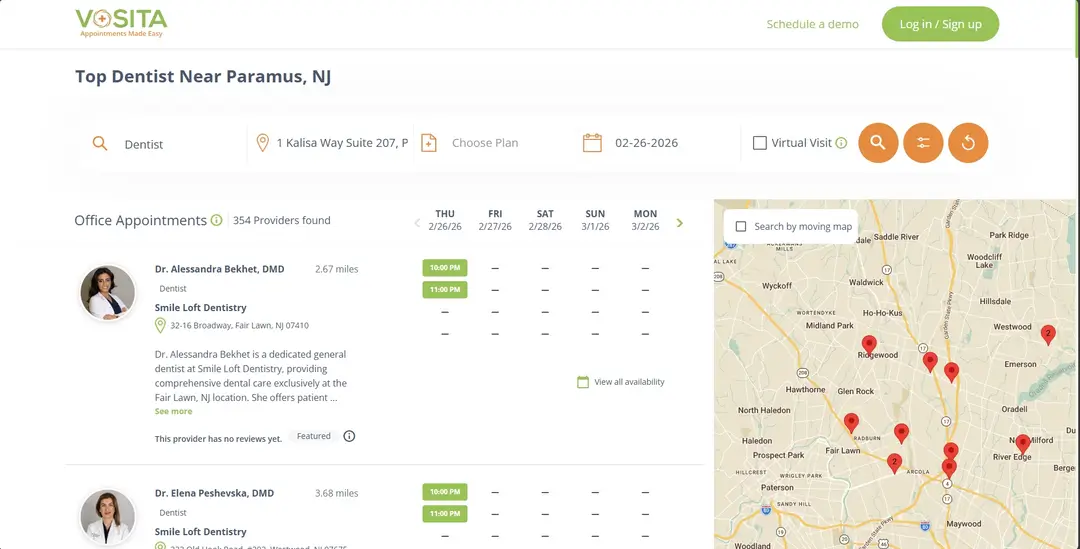
Vosita solves this by:
- Real-time availability – See actual open appointments TODAY, not estimated “next available”
- Insurance verification – Only see dentists who accept your plan
- Verified patient reviews – Real people describing their experience (including whether dentist took their concerns seriously)
- Urgent care designation – Dentists marked for emergency availability
- Direct booking – Schedule immediately, don’t wait for callback
- Transparent pricing – What to expect cost-wise before you go
- Ratings on communication – Patient reviews mention whether dentist explained things clearly
Instead of playing phone tag trying to find a dentist who can see you, then worrying about cost and whether they’ll listen to you, you can browse dentists with emergency availability, real reviews from people with your concerns, and book immediately.
When you have tooth pain or a concerning symptom, you need action now, not a 3-week wait.
Key Takeaways: Signs You Need to See a Dentist
- Pain is a signal—don’t ignore it. Toothaches, jaw pain, or mouth pain means something is wrong. See a dentist.
- Bleeding is abnormal. Bleeding gums are NOT normal. They indicate gum disease that needs treatment.
- Visible decay is already significant. If you can see it, a dentist has already been needed for weeks.
- Swelling means infection. Swollen face, jaw, or gums need professional evaluation and treatment urgently.
- Persistent mouth sores need evaluation. Especially any sore lasting 2+ weeks—get professional assessment for oral cancer screening.
- Loose teeth indicate bone loss. This is serious and requires prompt professional intervention.
- Sudden sensitivity can indicate a problem. New temperature sensitivity often means gum recession, decay, or crack—see a dentist.
- Bad breath is usually a sign of something treatable. It’s almost always bacteria related and needs professional evaluation.
- Ignoring problems costs exponentially more. Prevention and early treatment save thousands in emergency care.
- Don’t delay—find a dentist today. If you have any of these symptoms, schedule an appointment immediately. Your future self will thank you.
FAQ: Signs You Need to See a Dentist
What are the most common signs you need to see a dentist? The top signs are: toothache pain, bleeding gums, swelling, mouth sores that won’t heal, visible decay, temperature sensitivity, bad breath, and loose teeth. Any of these warrant a professional evaluation. Severe pain, swelling, fever, or difficulty swallowing require urgent care.
Can a toothache go away on its own? No. Toothaches indicate a problem (cavity, abscess, cracked tooth) that won’t resolve without treatment. Ignoring it allows the problem to worsen. A small cavity becomes a root canal becomes an extraction. See a dentist early.
What does bleeding when brushing mean? Bleeding gums indicate gum disease (gingivitis or periodontitis). This is a sign of bacterial infection and inflammation. While mild bleeding might respond to improved brushing, professional cleaning is usually necessary. Bleeding + pain or swelling needs urgent evaluation.
Is a mouth sore that won’t heal normal? No. Normal canker sores heal within 1-2 weeks. Sores persisting 2+ weeks need professional evaluation for possible oral cancer or infection. Don’t wait—schedule a dentist appointment if you have a persistent sore.
What does persistent bad breath mean? Persistent bad breath usually indicates bacteria overgrowth (gum disease, cavities), oral infection, or dry mouth. It’s not normal and won’t resolve without treatment. See a dentist for evaluation.
How long can you ignore a cavity? Not long. Small cavities progress to larger cavities within weeks or months. Eventually the cavity reaches the nerve, causing severe pain and requiring root canal treatment. Treat cavities as soon as they’re discovered. Better yet, prevent them with regular cleanings.
Should you see a dentist for tooth sensitivity? Yes, if it’s new onset sensitivity. Sudden temperature sensitivity often indicates gum recession, enamel erosion, crack, or cavity. While sensitivity toothpaste may help temporarily, professional evaluation determines the cause and appropriate treatment.
What does facial swelling with tooth pain mean? Facial swelling + tooth pain usually indicates an abscess (bacterial infection in tooth root or surrounding tissue). This is a serious infection that needs urgent dental treatment. In some cases, it can indicate systemic infection and requires immediate evaluation.
Can you ignore loose teeth? No. Loose teeth indicate advanced gum disease (bone loss) or other serious issues. They won’t tighten up on their own. Prompt professional intervention can sometimes save the tooth; delays make extraction more likely.
How often should you see a dentist? Most people should see a dentist twice yearly (every 6 months) for cleaning and checkup. This preventive care catches problems early before they become emergencies. If you have gum disease or other risk factors, more frequent visits (every 3-4 months) may be recommended.
What should you do if you have severe dental pain? If you have severe pain: take ibuprofen (400-600mg), avoid very hot/cold foods, try saltwater rinses, see a dentist within 24 hours. If you also have fever, facial swelling, difficulty swallowing, or can’t function due to pain, seek emergency dental care or go to ER immediately.
How do you find a dentist who can see you urgently? Use a platform like Vosita that shows real-time availability. Many dentists keep emergency slots open. You can often schedule same-day or next-day urgent appointments if you search correctly. Avoid practices that can only offer appointments weeks away if you have acute symptoms.